TUMBARICA - AN EARLY CHRISTIAN TOWN NEAR BERANE
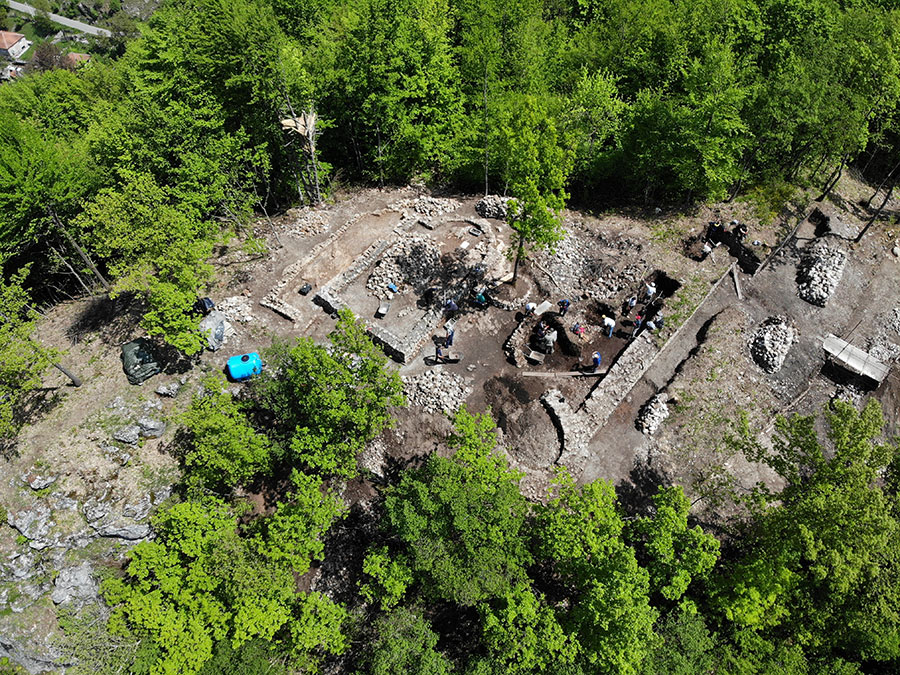
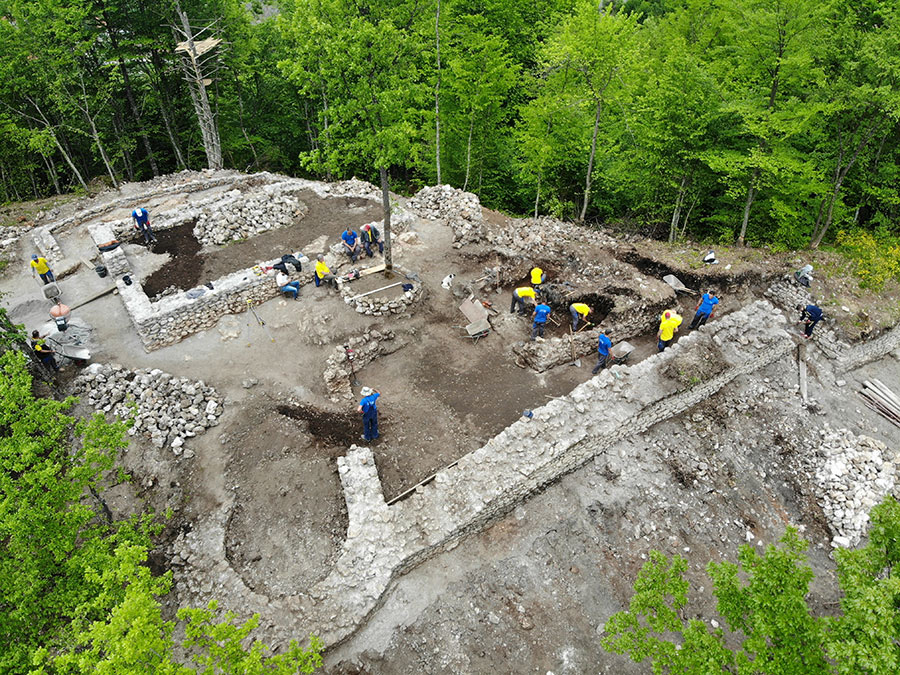
Tumbarica – A fortified highland settlement in the province of Praevalitana (Diocese of Dacia) of the Eastern Roman Empire. Tumbarica had been a fortified settlement from the time of late Antiquity, laid out on a dominant elevation above the flow of the River Kaludra towards its confluence with the River Lim.
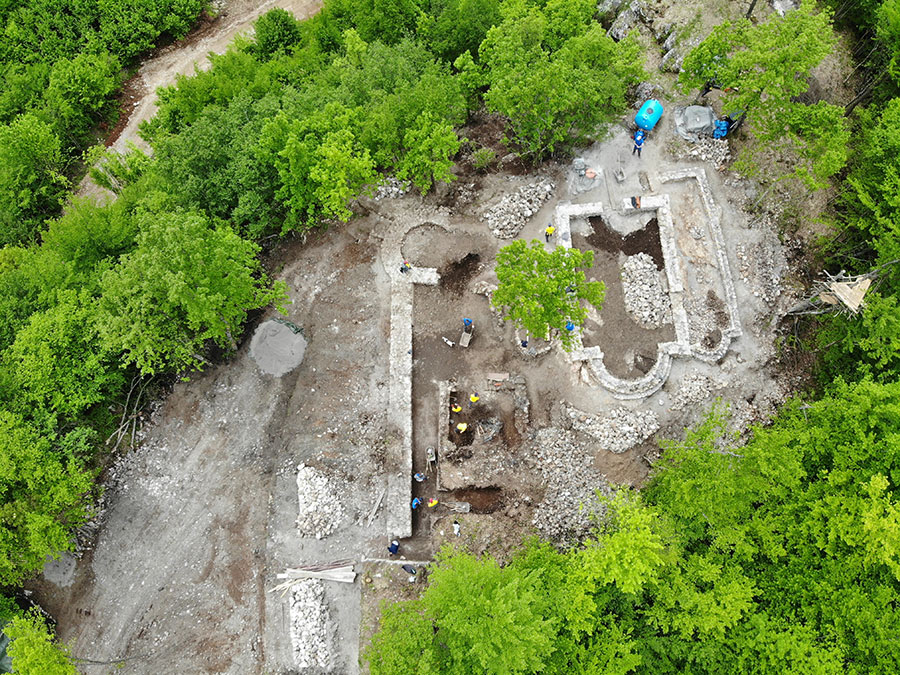
The remains of a well-designed fortification and a basilica built on the highest plateau in the defended area indicate that it was an organised relocation of settlements from the plains of the vast Lim Valley, which most likely took place in the turbulent times during the 5th and 6th centuries AD.
HOW TO GET TO THE SITE
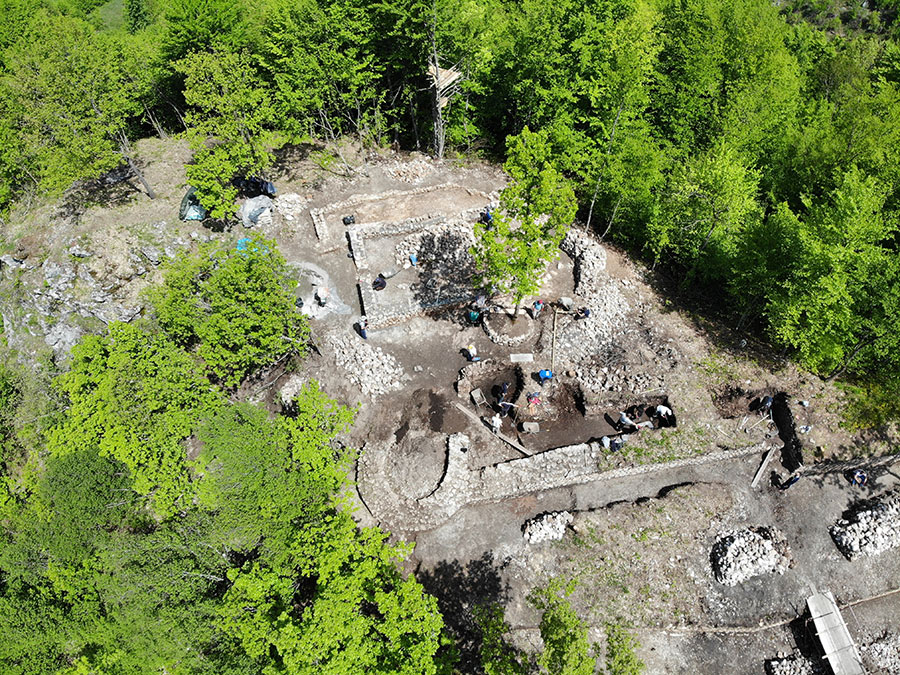
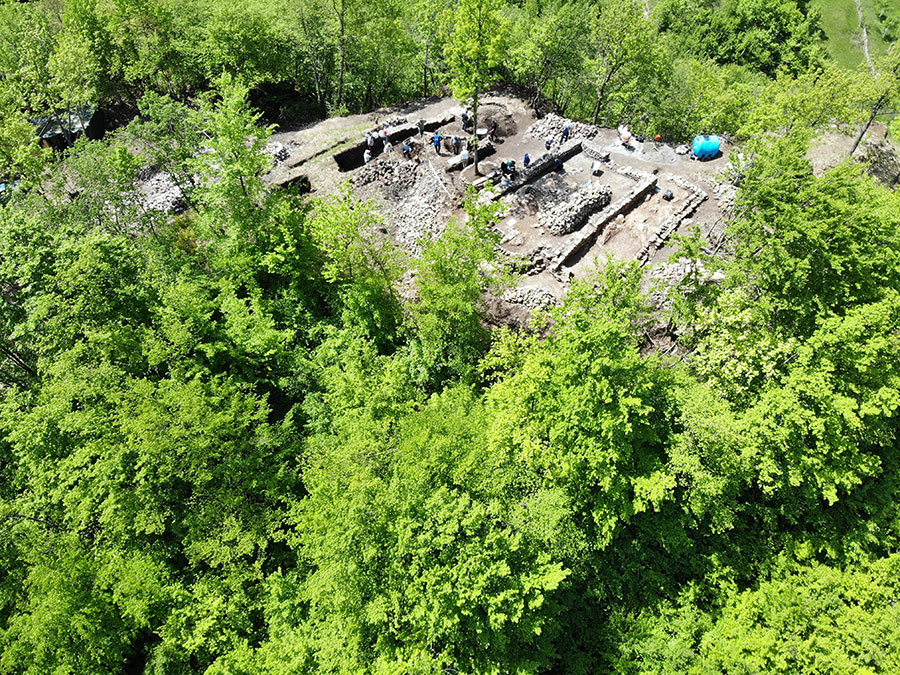
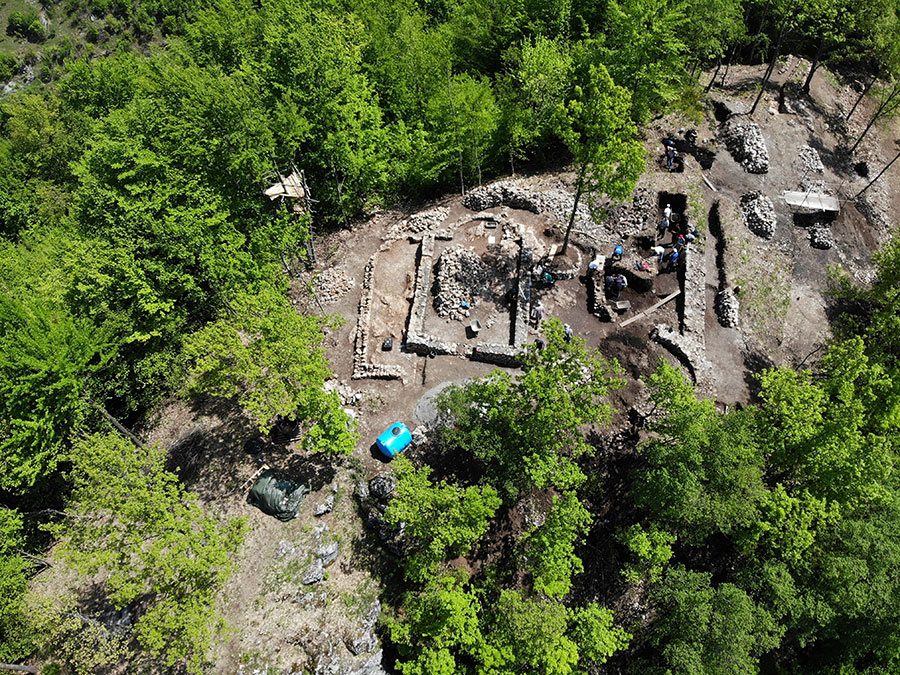
The site is located on the southern edge of the fertile and wide plain of the village of Donje Ržanice. It is a rocky and almost inaccessible elevation located at the foot of Zaruđa Hill, and at the entrance to the Kaludra Canyon. Its position dominates Ržanice and almost the entire eastern part of the wide Berane Valley. The rocky elevation is oriented southeast–northwest, and it is possible to approach it only from the south, where all the roads from Ržanice and the village of Aluga meet. There, above Aluga, is a spring that provided all the conditions for the formation of a fortified city on this rock.
EARLY CHRISTIAN BASILICA - THE CENTER OF THE BYZANTINE CITY THE BASILICA
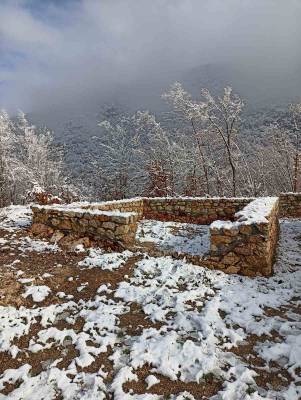
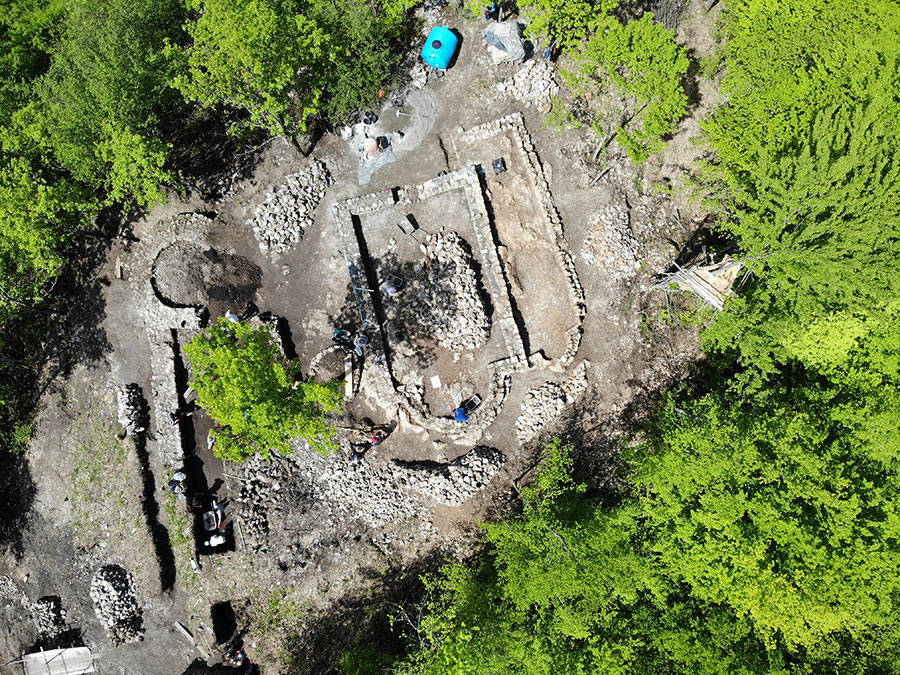
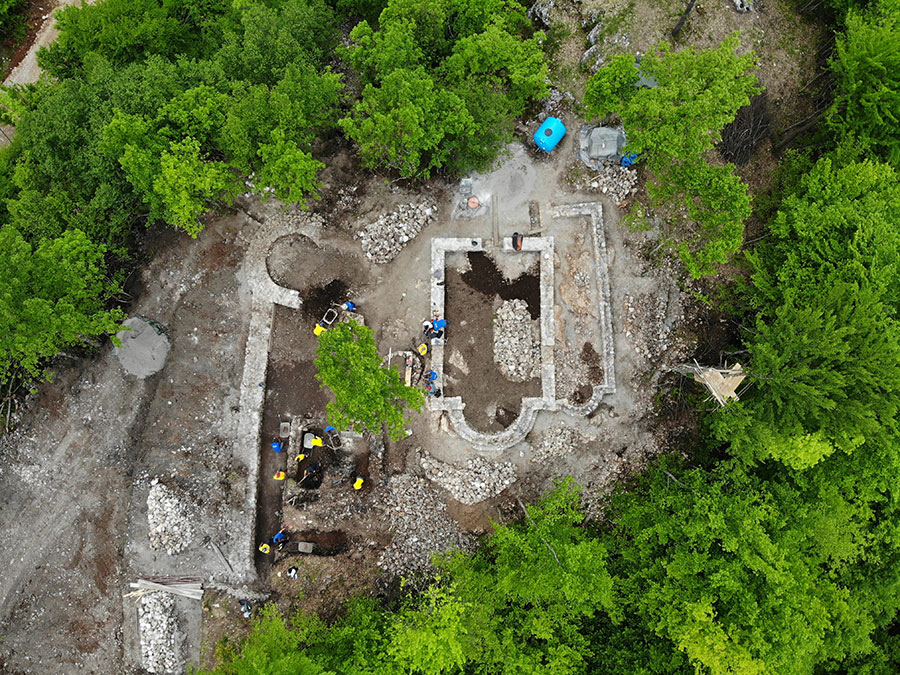
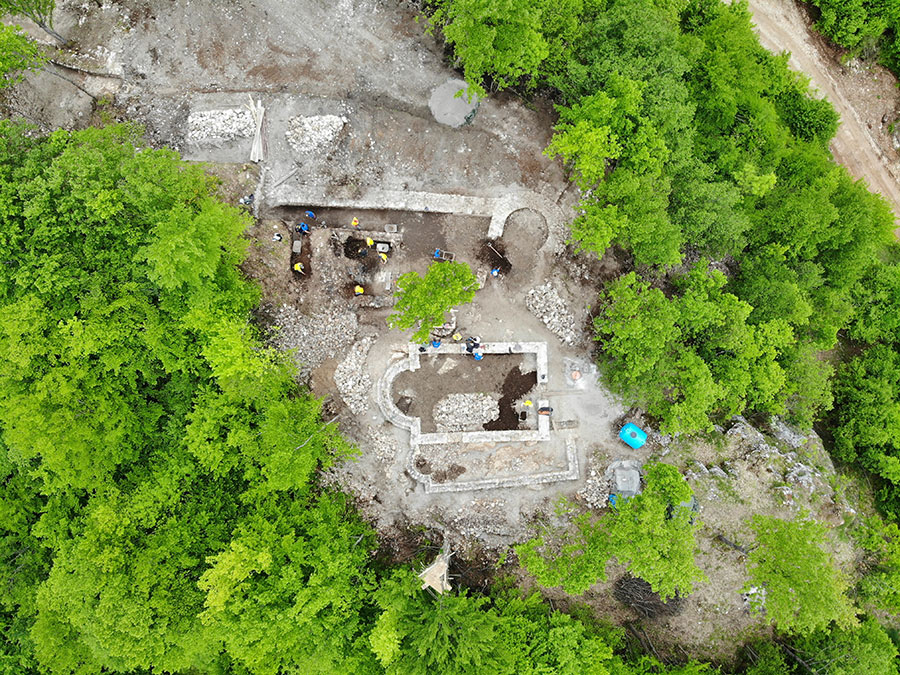
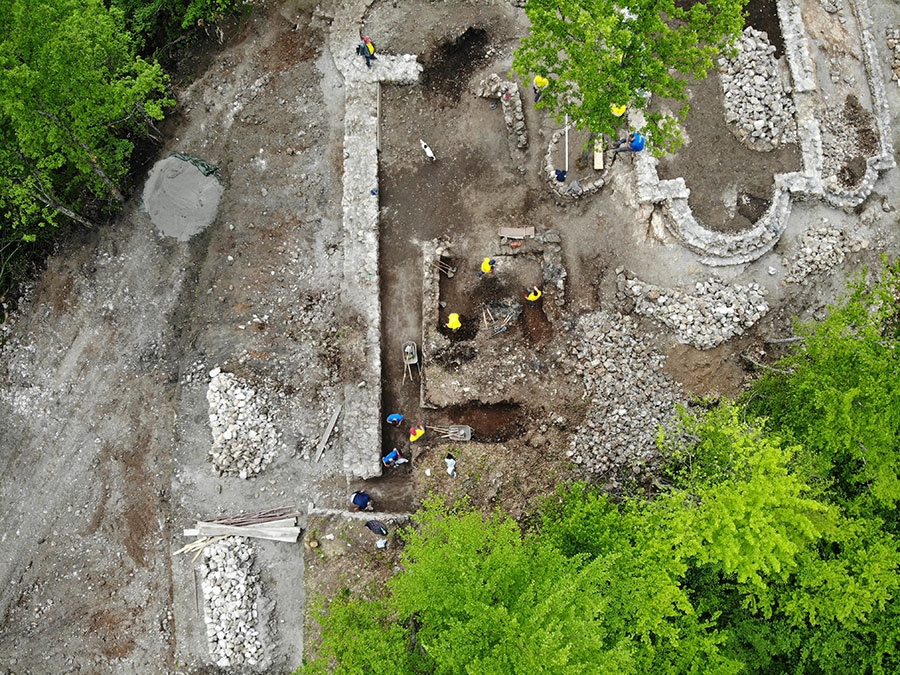
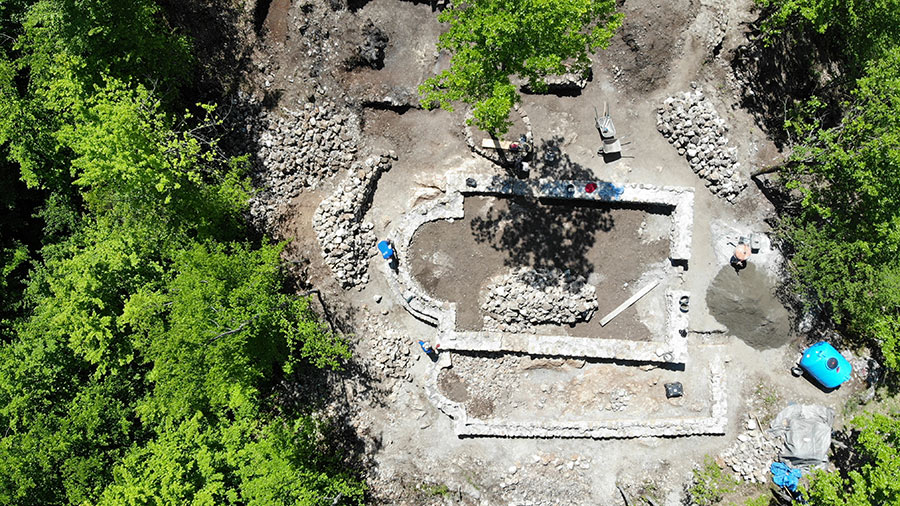
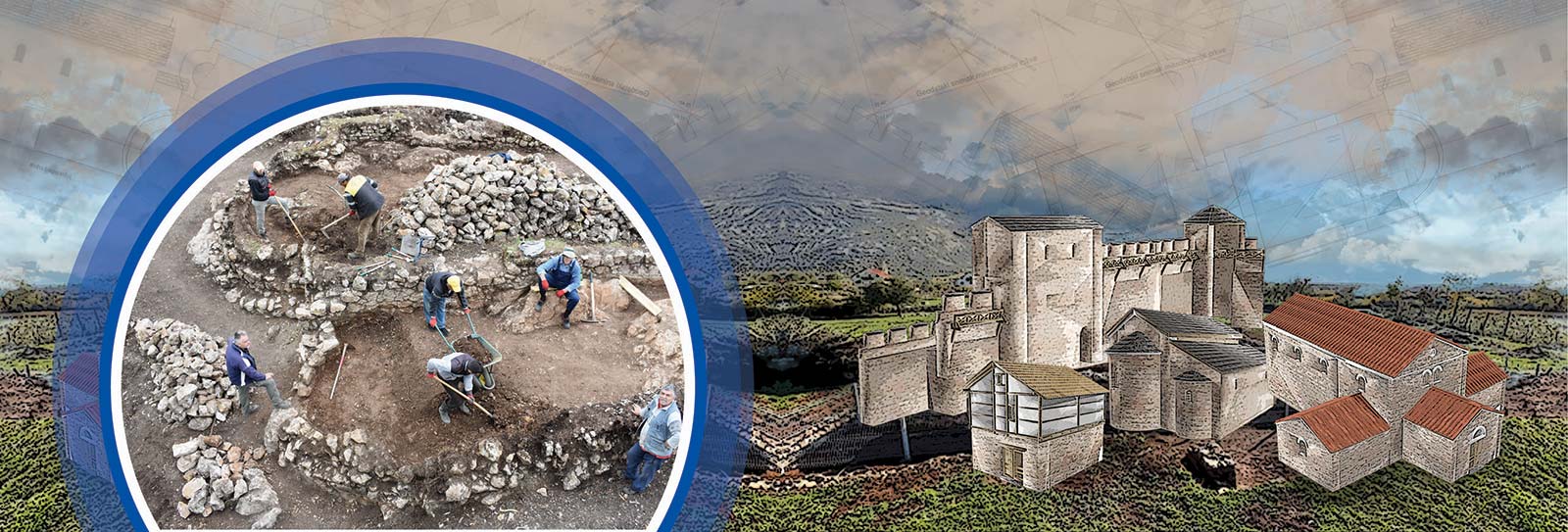
The church on Tumba-grad was built as a single-nave basilica next to which, on its northern side, a chapel – paraclesion was added. The addition of the paraclesion was most likely influenced by the position of Tumba-grad on a hill in a mountainous area that is exposed to very harsh conditions during the winter period, but also by the narrow space between the church and the main rampart on the south side. The paraclesion is an annex next to the main church where the tombs of contributors or prominent members of the community from the ranks of the clergy and aristocracy could be arranged. Although remains of the stone inventory of the basilica were not found, it had to have an altar space arranged according to all the rules of the epochs, which could be made mostly in wood, as a lighter material, because the floor was treated only with polished plaster (opus signinum).
HOUSE OF THE GRAND DUKE
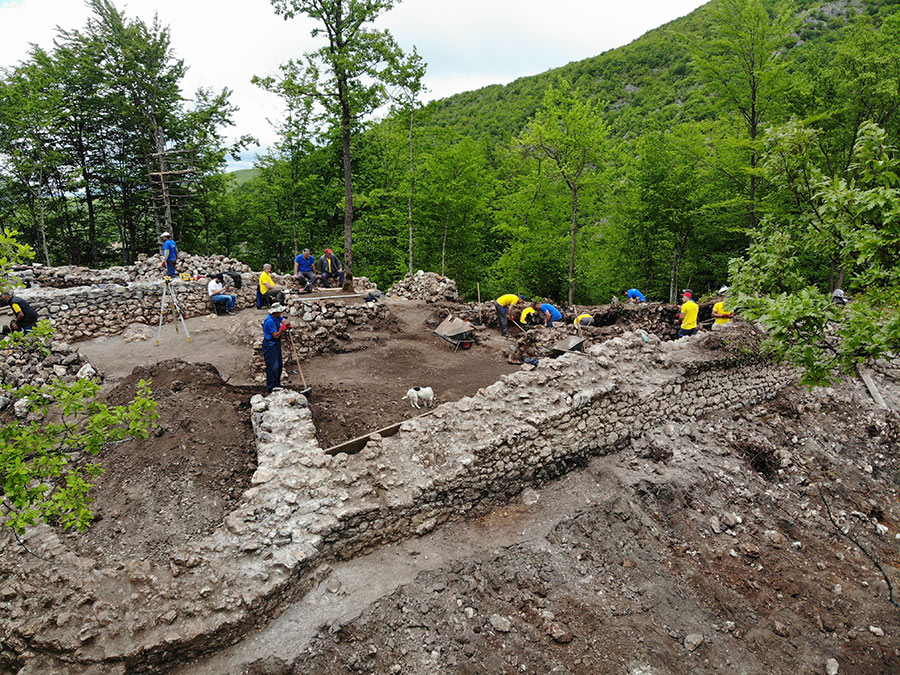
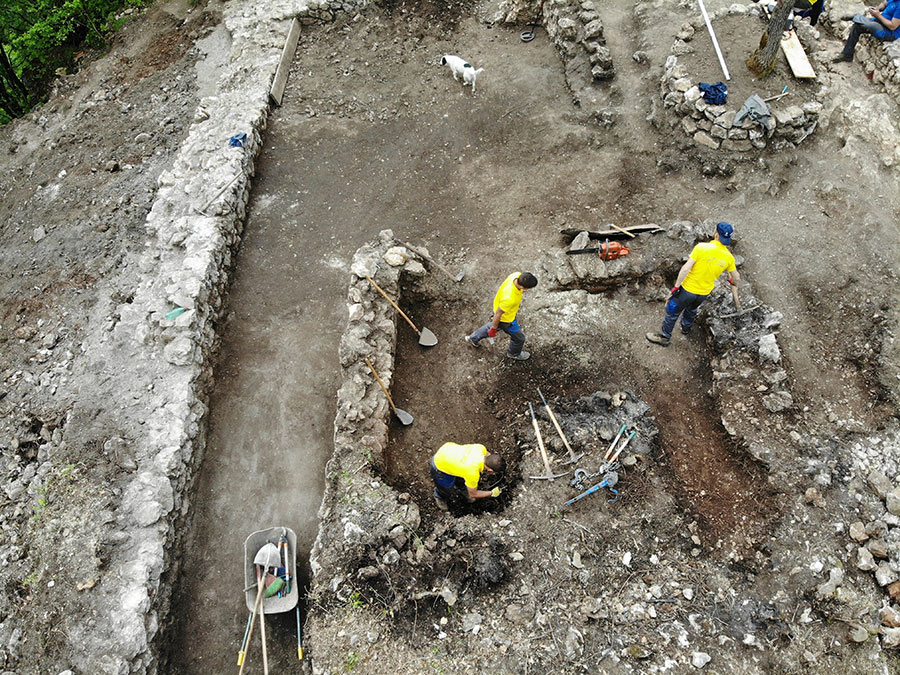
The residential building next to the rampart reveals all the rusticity of life in the high-altitude fortification, where the available materials were used for residential and other buildings – stone and wood, without expensive construction products made of terracotta, tiles and bricks. In the house next to the main rampart, unworked stone was used for the ground floor or basement room with a wider entrance, which can be defined as a basement or silo, while the upper residential storey was made of lighter bundwerk construction, with a roof covered by wooden shingles.
THE CIRCULAR TOWER
A tower with a regular horseshoe-shaped base was erected at the south-western corner of the fortification to overlook the main archway on the southern slope of the hill with a wide arc, but at the same time flanking the entrance to the main rampart of the fortification. The floor of the tower at the height of the rampart’s wallwalk was, as a rule, equipped with wider openings for the operation of fortress devices (petroboloi, catapults), while very narrow openings for archers had to be arranged on the lower floor. The tower was built using the same technique as for the main rampart (opus incertum – a style using unworked stone) and was most likely closed towards the interior of the fortification by a bundwerk structure (opus craticum).
DEFENSIVE WALLS AND GATE
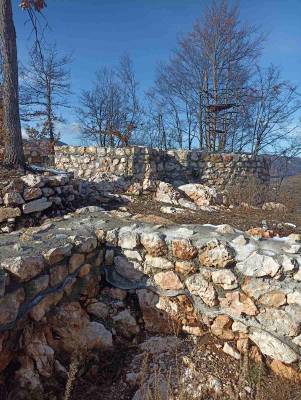
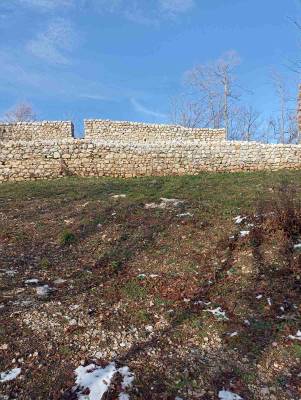
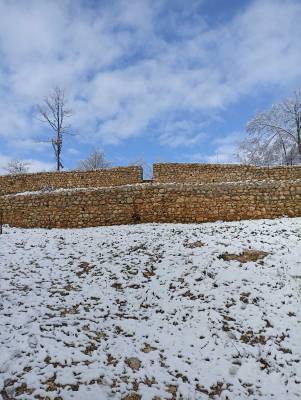
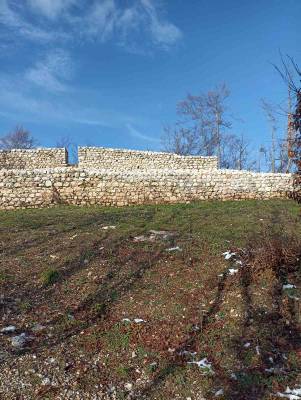
The walls are poorly preserved to a height of two or three rows of stone blocks. On the southeastern side of the acropolis, in the area between the small entrance to the fortification and the apse of the church, a building was erected, measuring 6.25 m × 5.13 m. The building extends parallel to the direction of the ramparts, thus forming a kind of passage, 1.70 m wide, to the church. This passage, from the small entrance to the fort, extends all the way to the semicircular tower on the western side. The walls of the building, 0.60 m wide, are made of larger, unworked or carved, stone blocks arranged in regular horizontal rows, connected by lime mortar containing a coarser river aggregate. They have been preserved to a height of 0.55 m on the north and to 1.20 m on the south. On the western side, along the south-western corner of the building, there is an entrance, 1.60 m wide. This building also includes the remains of the wall on the western side, which arches in towards the opening in the semi-circular tower, thus forming a passage 1.90 m wide. It can be assumed that this wall extended all the way to the western wall of the courtyard, thus forming a kind of covered porch. There is a justified possibility that this wall is a remnant of a building from the first phase of construction of the fortification.