EARLY CHRISTIAN BASILICA IN HOTI - ТHЕ FORGOTTEN CENTRE OF WORSHIP
The church in modern-day Hani i Hotit was built in late Antiquity as a single-nave basilica in the plain of a fertile valley on the northern shore of Lake Hoti (Liqeni i Hotit), today a backwater of the larger Lake Skadar. The place where the church was built is located near the crossroads of ancient roads – the main route to the metropolis (capital) of the province of Praevalitana, the city of Scodra, and a side road that led to the mountainous area of Plav and Gusinje. The proximity of ancient Duklja indicates that the church was located in the district of that urban centre of the region.
HOW TO GET TO THE LOCALITY/ THE LOCATION ON THE MAP?
This site of the church is located near the northernmost tip of the bay known as “Lake Hoti” and about 200–300 m northwest of the foot of the hill, where there is a late Antiquity and medieval fortress known as Hoti Castle.
EARLY CHRISTIAN BASILICA IN HOTI THE SPLENDOUR OF THE COASTAL CHURCH HAS BEEN LOST IN THE WHIRLPOOL OF HISTORY
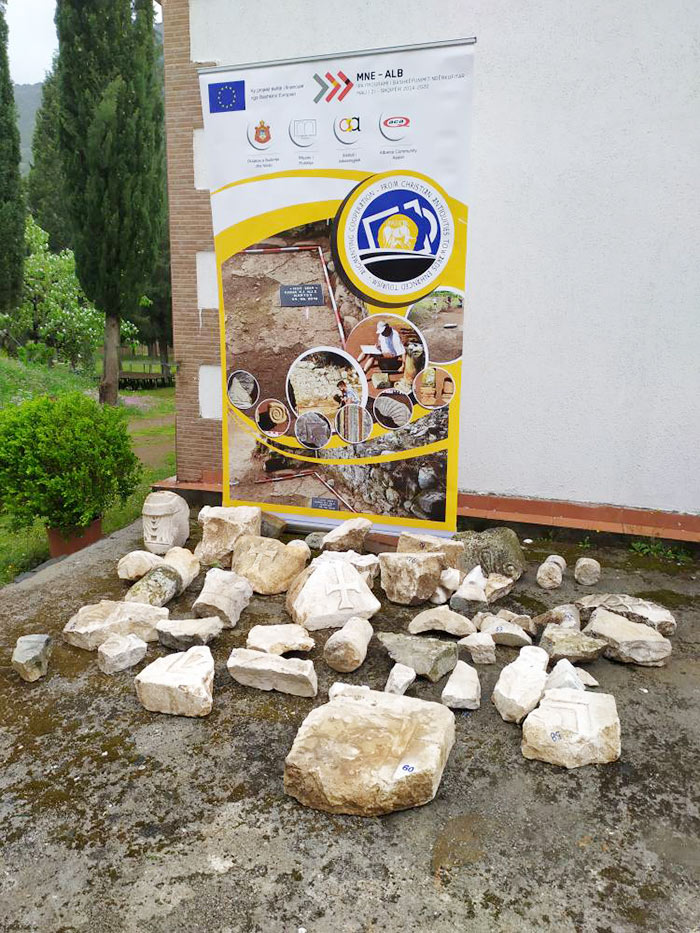
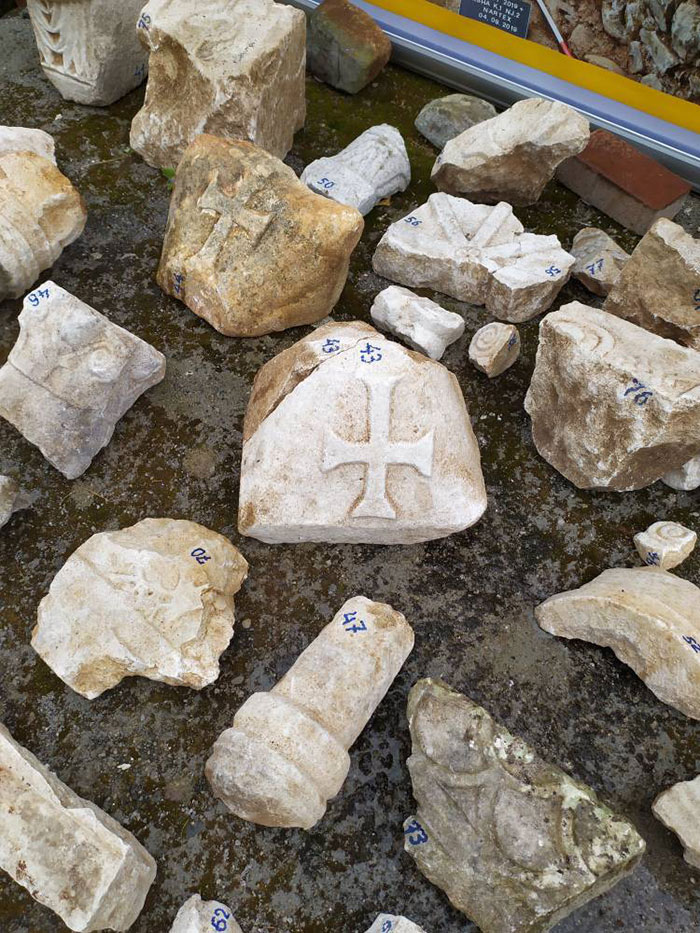
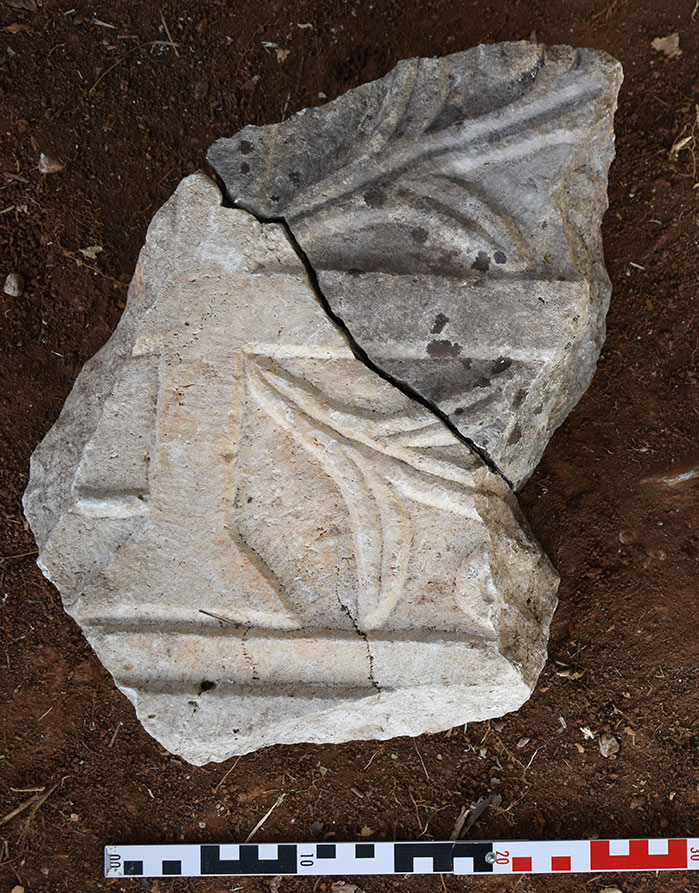
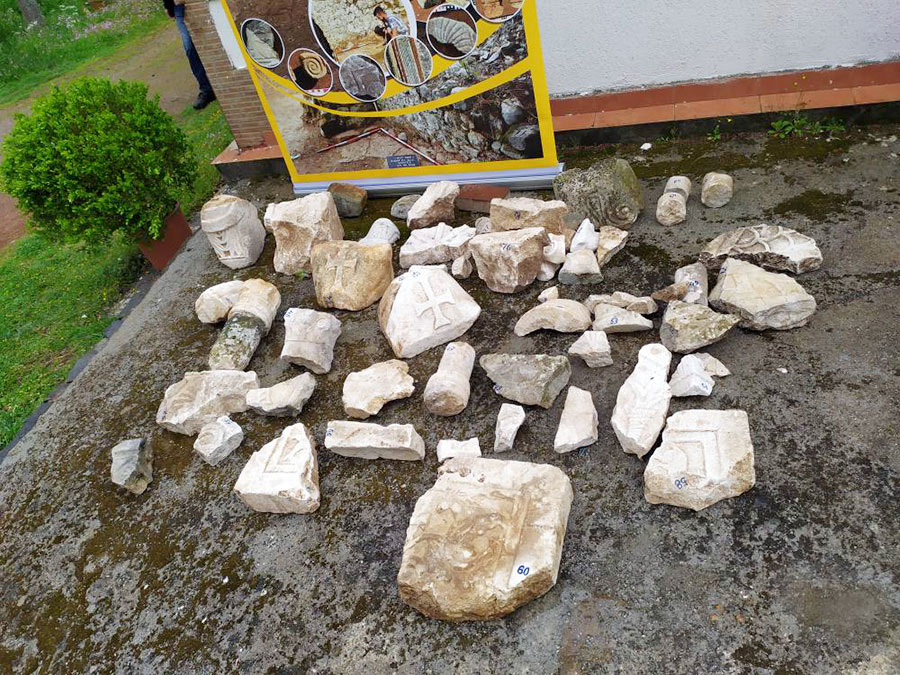
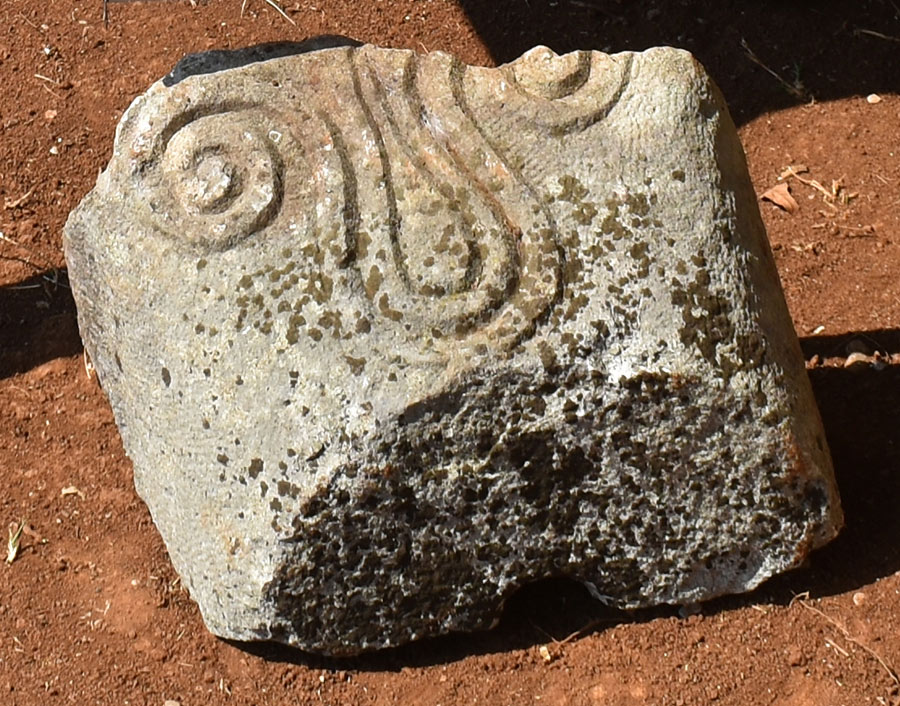
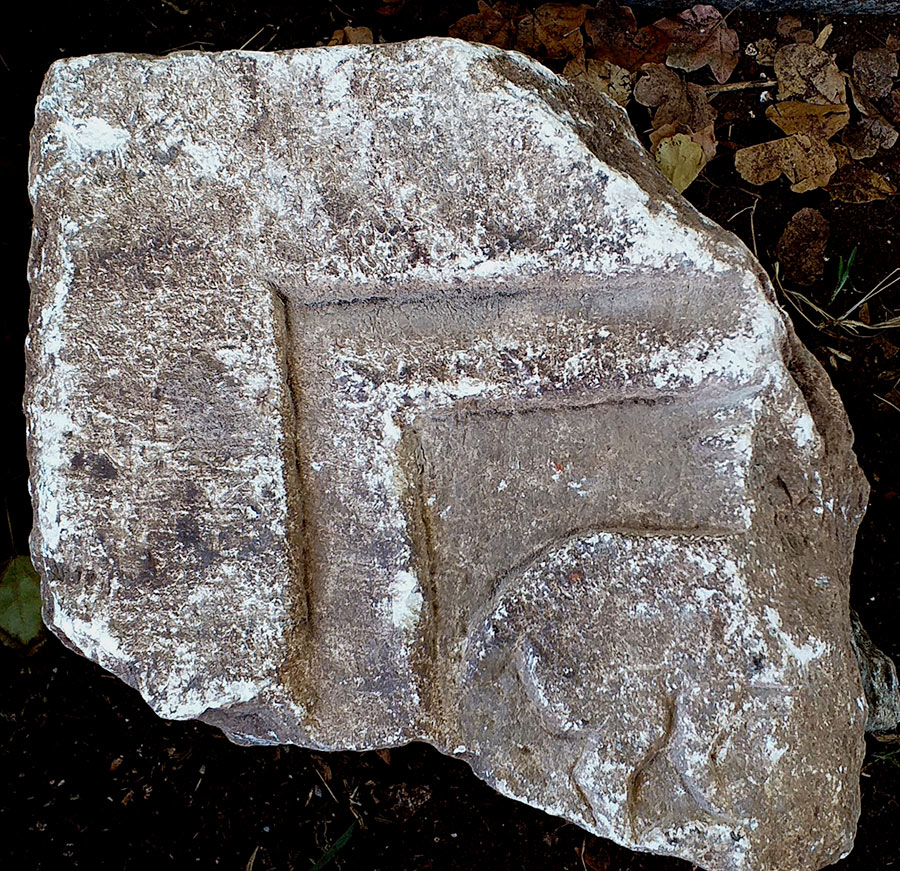
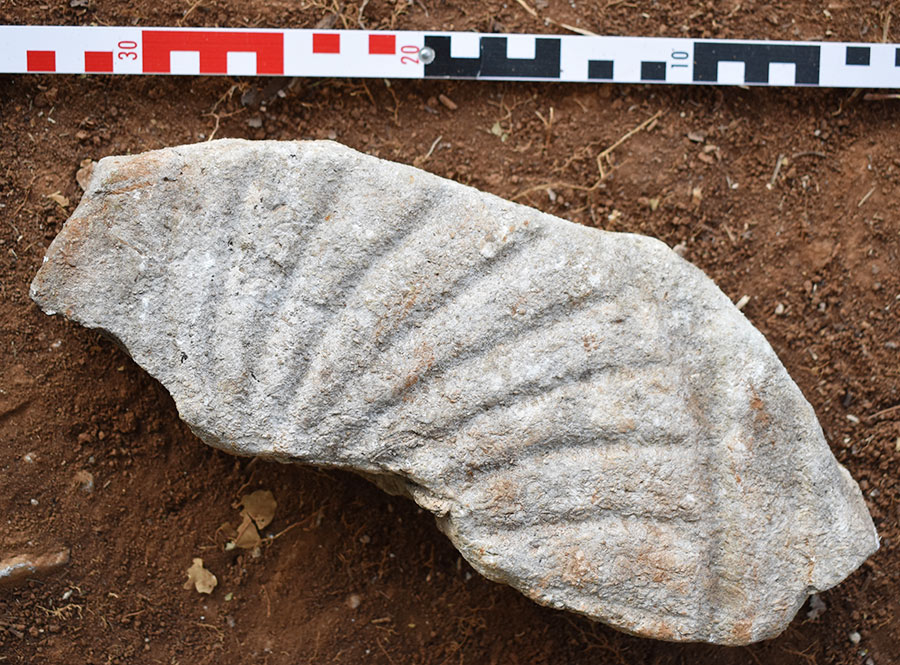
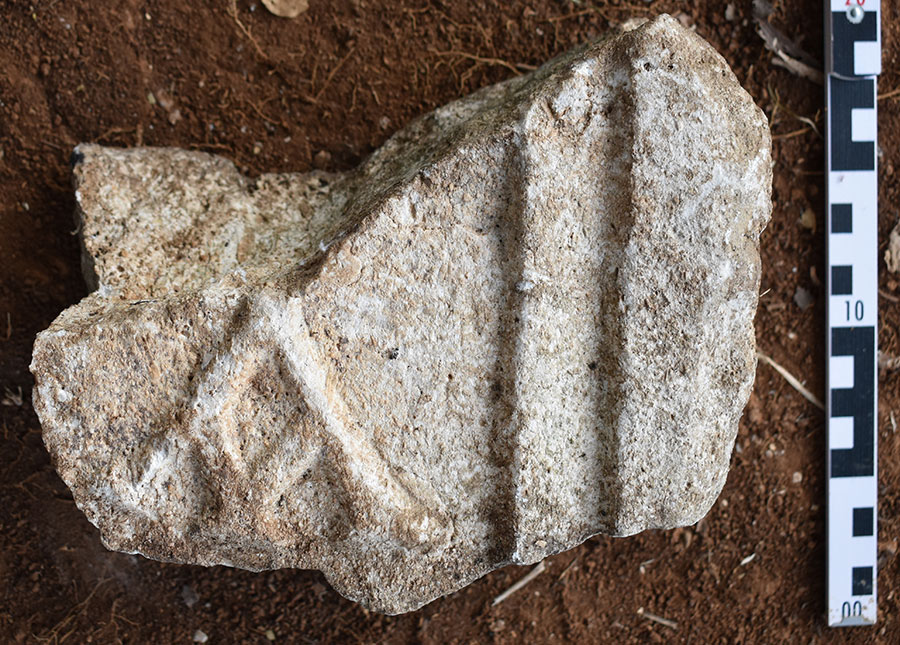
We have noticed that the early Christian church in Hoti is almost identical to the early Christian church at Šipkova Glavica near Danilovgrad, in the Zeta Valley. According to researchers of this early Christian church, it seems to have been built very early on, probably at the end of the 4th and the beginning of the 5th century. Located in the fort suburbium of the Martinići Hillfort and in the vicinity of the villa rustica in Pod Vrh and of other churches in the area, it was also designed as a martyrium. The specially consecrated space of the church in Hoti yielded a lot of material of architectural fragments with rich decorative stone carvings with various motifs engraved in relief.
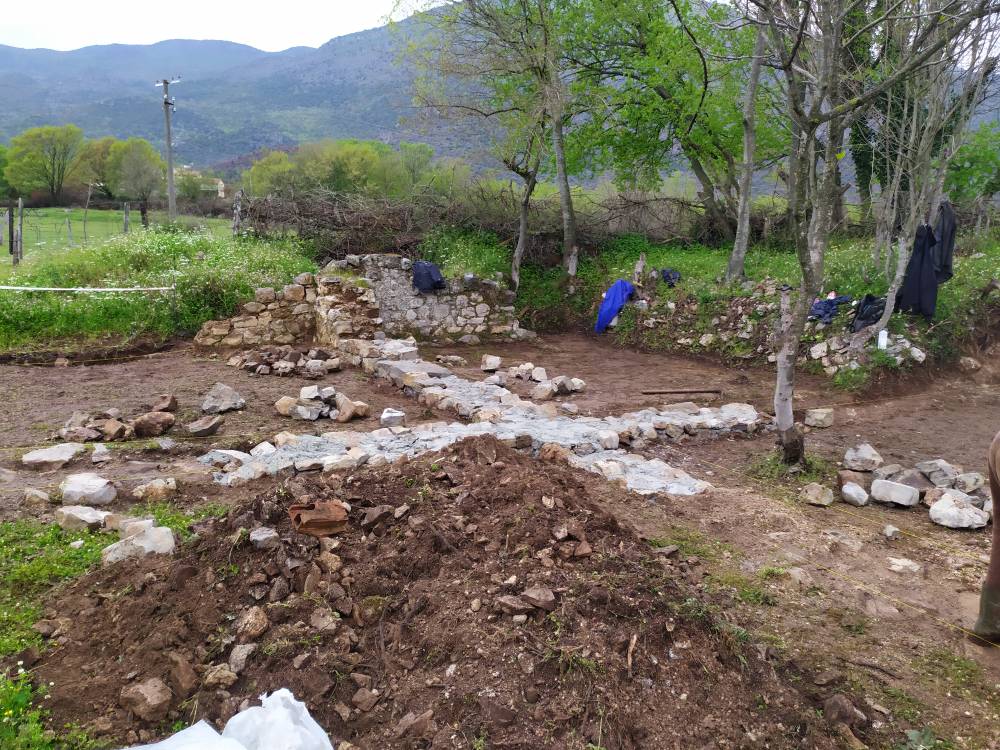
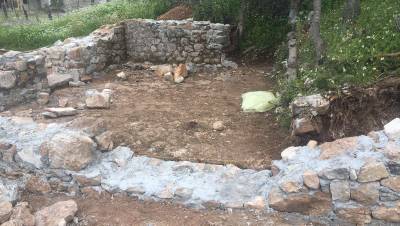
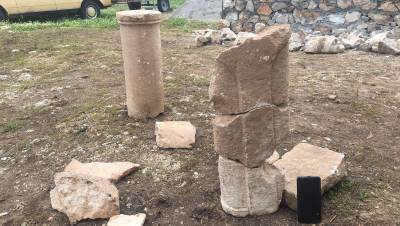
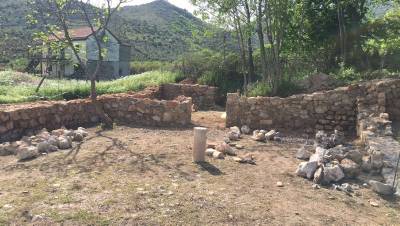
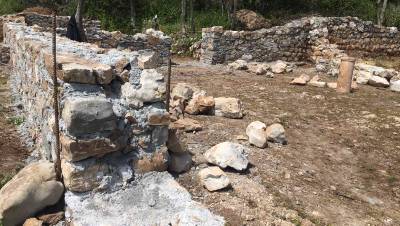
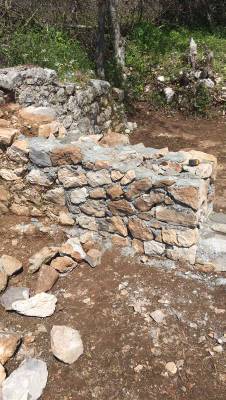
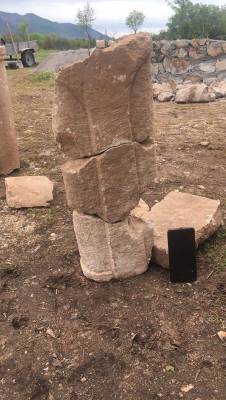
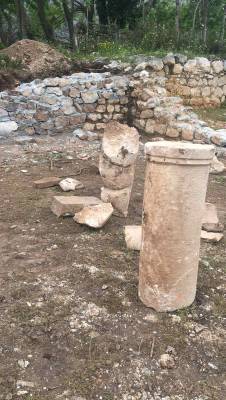
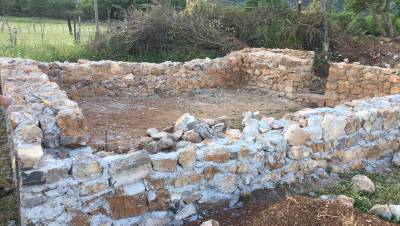
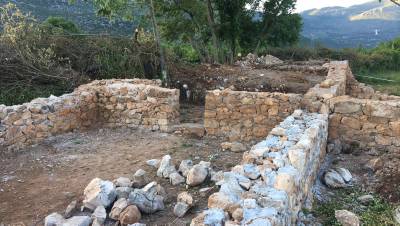
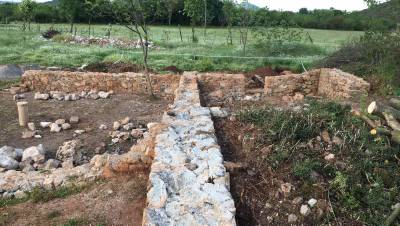
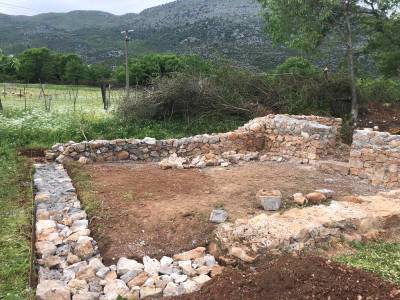
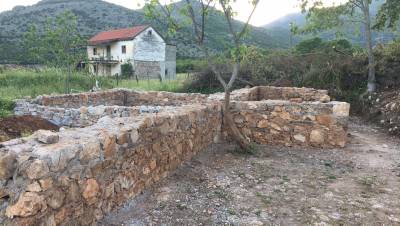
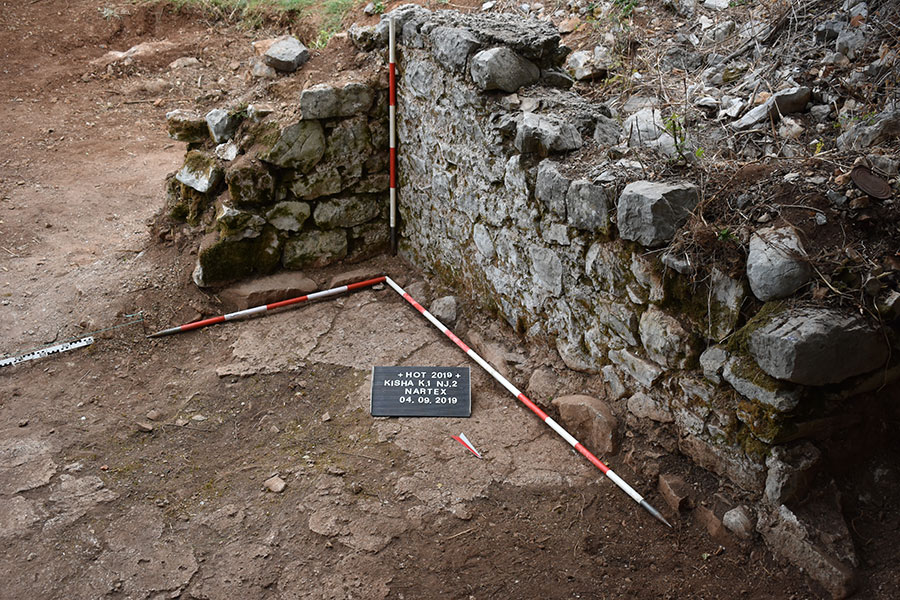
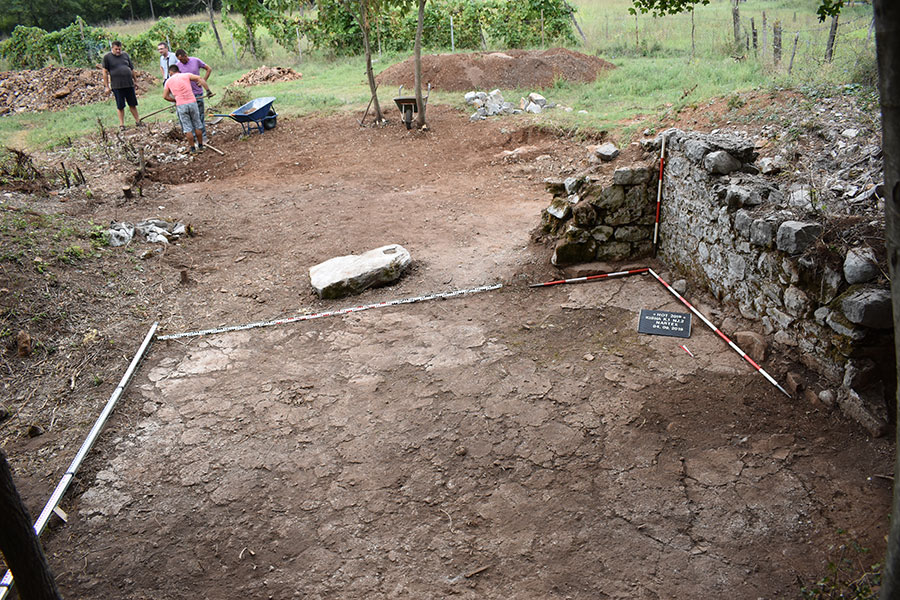
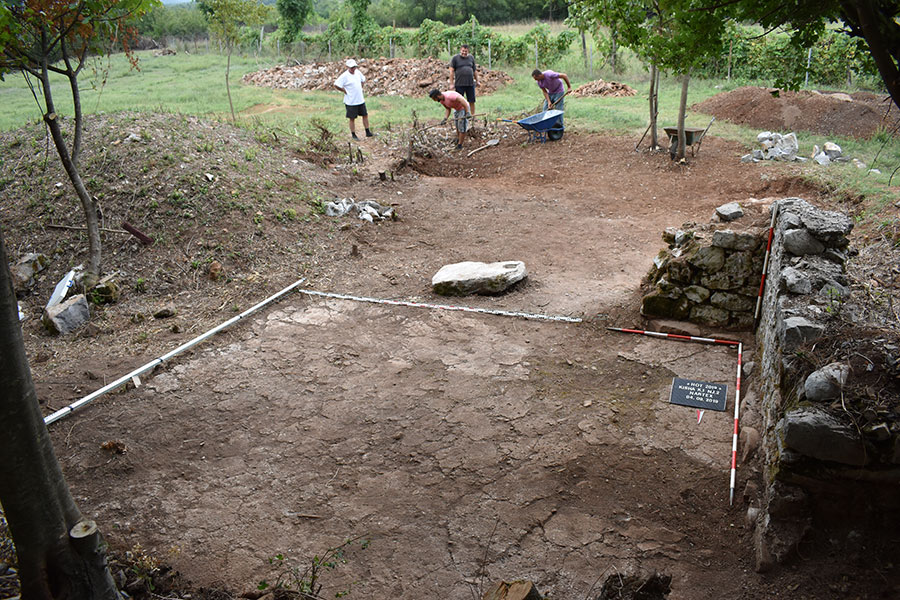
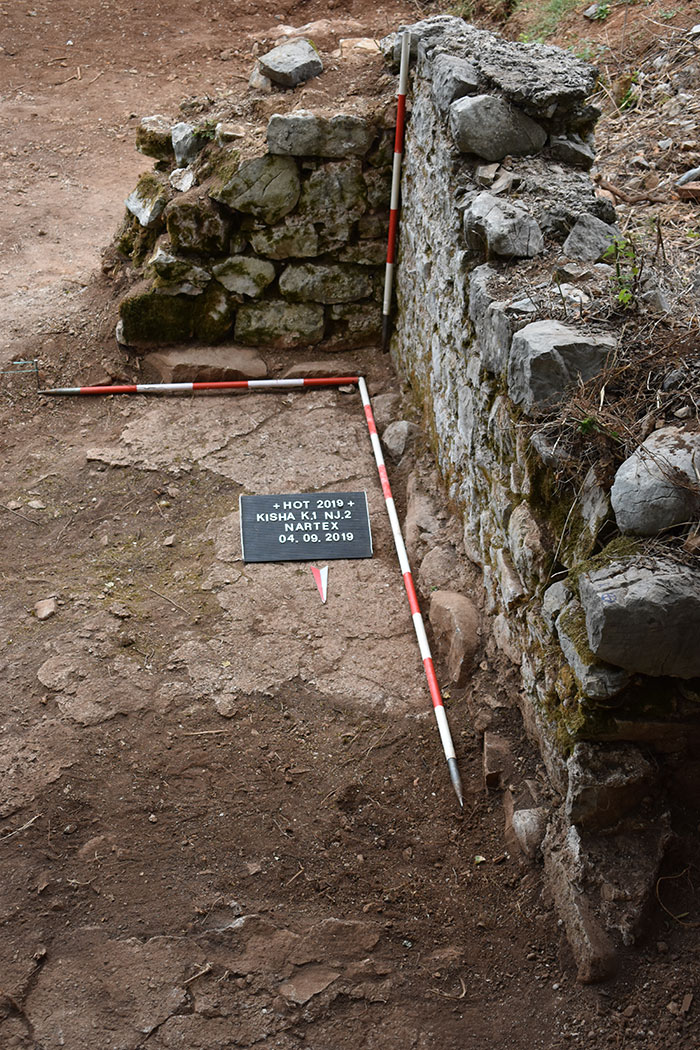
The church in Hani i Hotit was built as a single-nave basilica with a spacious narthex and two pastophoria on the western façade. Subsequently, an entrance porch was added in front of the narthex. The church was built according to a unique layout in which the individual spaces were clearly proportioned, with a slight narrowing of the nave from west to east, with the relative size of the nave and the narthex being in a ratio of 2:3. The two spacious, almost square-shaped chambers north and south of the narthex took on the role of a prothesis and diakonikon to some extent, as these liturgical spaces were not arranged along the altar apse. The chamber (pastophorion) north of the narthex was used for temporary storage of the offerings and contributions of the faithful, while the southern side of the narthex took on the role of a diakonikon, i.e. for the storing and preparing of liturgical objects, books, manuscripts and vessels. The church was decorated with rich architectural sculpturing. We know this because fragments of almost all the elements that made up late Antiquity sanctuaries were found in the church: the altar partitions, parapet slabs, the altar mensa – the holy table, the ciborium – the canopy over the altar, and the pillars of a window bifora (a double window).
IPEN’S DISCOVERY AND 100 YEARS OF SOLITUDE
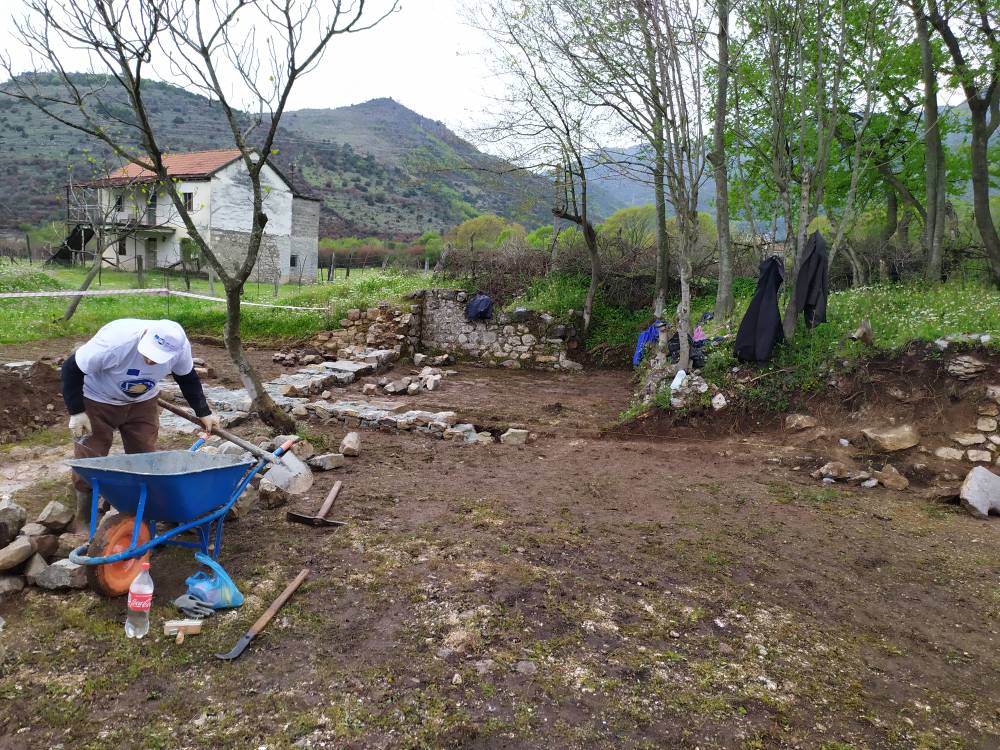
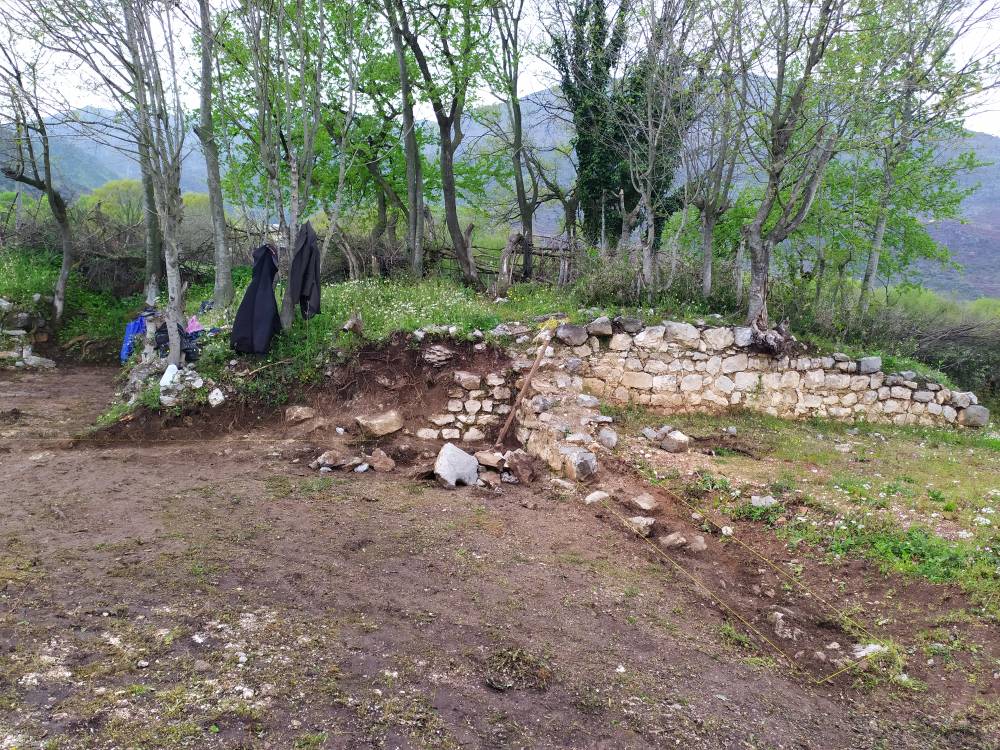
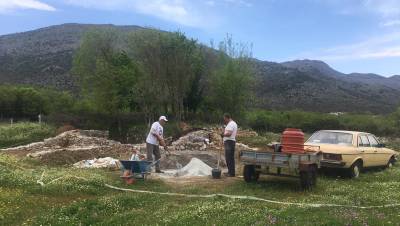
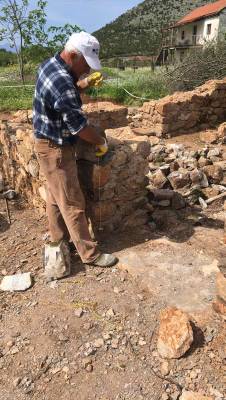
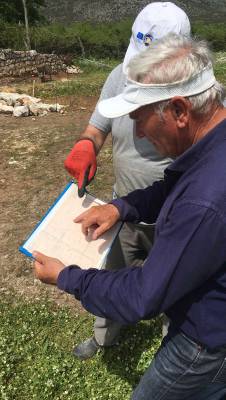
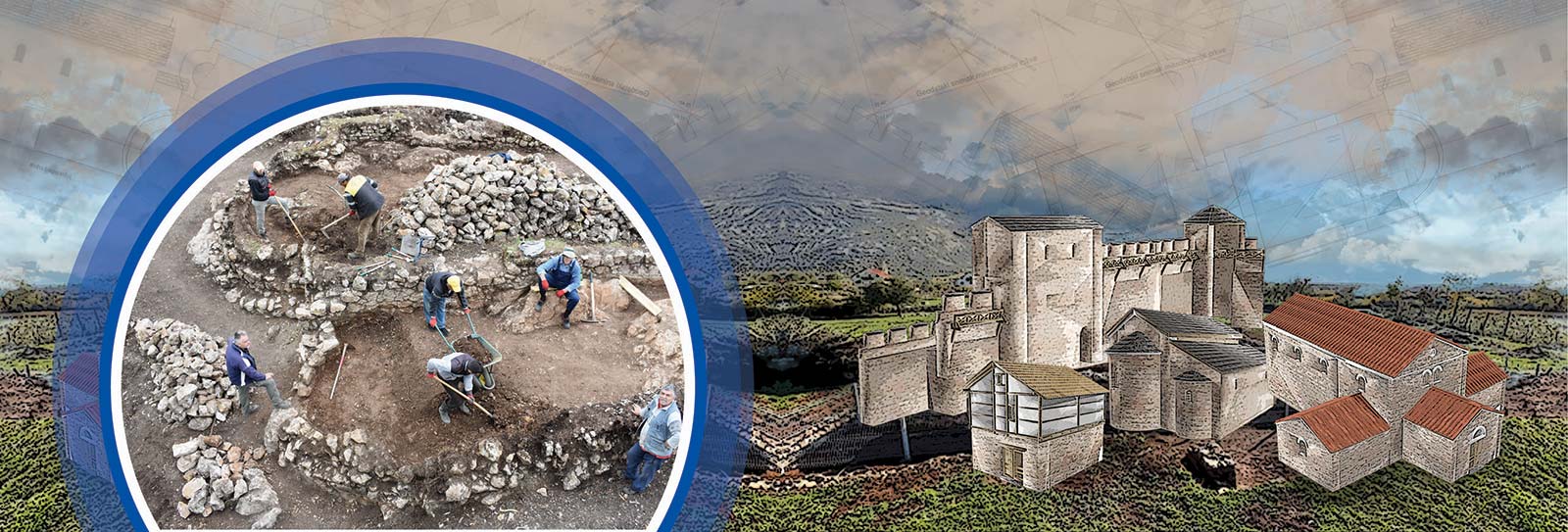
In 1908, the Austro-Hungarian consul in Scodra, Theodor Anton Ippen, reported the presence of the ruins of a church or monastery in the village of Kuse i Hoti, in a place known as “kishtza”. He states that he saw two architectural stone fragments with carved ornaments in the houses of the villagers around him. Ippen assessed the third fragment, which is located in a house near Lake Hoti, as part of an altar. A year later, this place was visited by the Hungarian ethnographer Baron Franz Nopcsa von Felső-Szilvás, who focused on this area in more detail than Ippen did. Here he saw the ruins of walls in a very damaged condition, which were located in the middle of cultivated agricultural land. Nopsca also described and drew a series of architectural fragments of limestone, which had been found by locals. For about a century since then, no one has recorded anything about this Christian place of worship. In the second half of the 20th century, traces of the church went unnoticed by information-gathering archaeological expeditions, because they were located in a forbidden border area. It was only during an information-gathering expedition conducted in the spring of 2003 that we were informed about the presence of the ruins known as the “kirza”. From a tour around the site, we were once again able to determine the location, the traces of the walls and some architectural fragments of this early Christian church. These findings were completely in line with the above information of Theodore Ippen and Franz Nopsca at the beginning of the 20th century. Since then, the environment in which the ruins were located has been damaged by agricultural work, landscaping and the removal of square stone for use in new construction. Also, the place was constantly covered with stones from the surrounding land, even during the second half of the 20th century. In addition, there is a refuse dump from a nearby military unit at the border. Only in 2019 was a financial opportunity created for works through a cross-border project within the European IPA programme.
NARTHEX – THE ANTECHAMBER TO THE SANCTUARY
The narthex is the church’s vestibule and the least sacred area compared to the nave, which contains the altar. That is why the first burials in late-Antique basilicas were usually allowed in the narthex, but still in accordance with the hierarchy of reputation of the deceased, depending on whether the deceased was a donor and benefactor of the church or its founder, which determined the position of the tomb within the narthex. The narthex is the only space in the church which catechumens who have not yet been baptised could enter. The porch in front of the narthex of the church in Hani i Hotit was added later. In one period this area was used for burials, while inside the church with the narthex no traces of burials have been recorded so far.
ALTAR - FORERUNNER OF THE ORTHODOX AND CATHOLIC CULTS
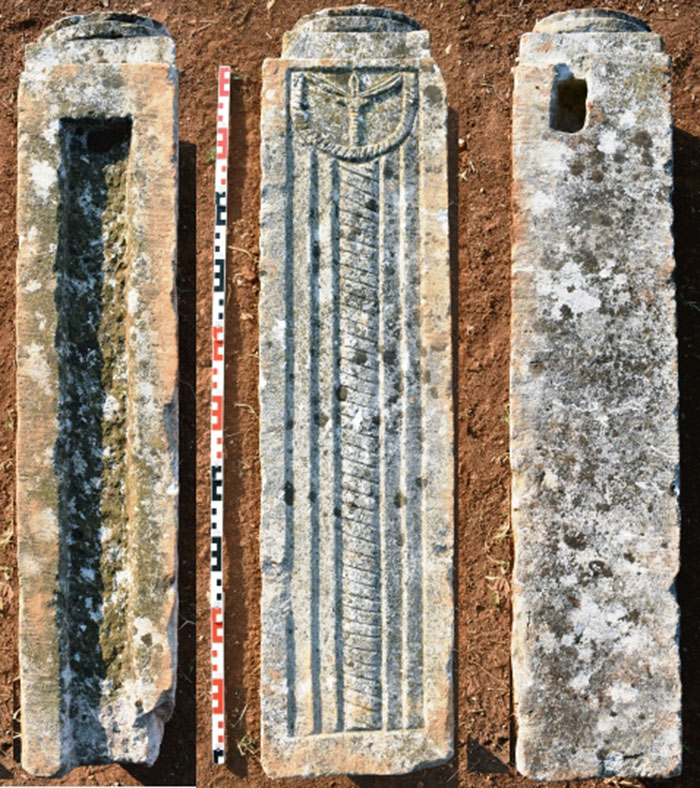
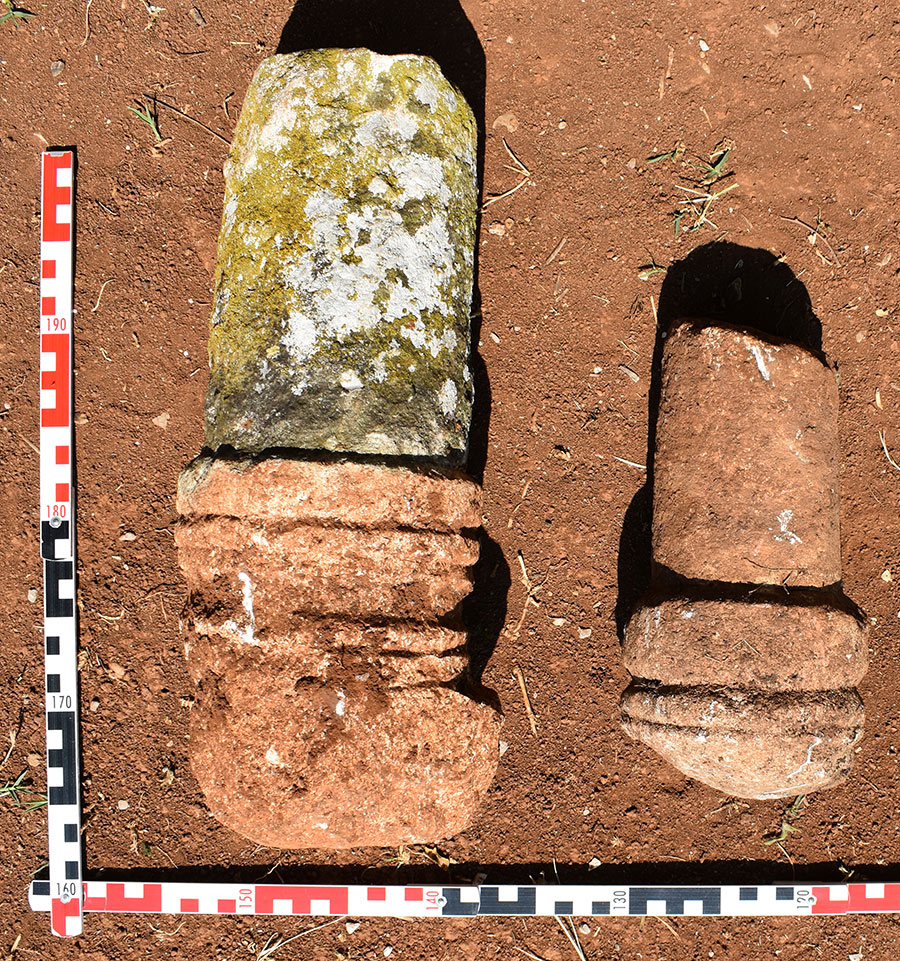
The altar space - the sanctuary was fully equipped with stone inventory according to liturgical rules in late antiquity and especially during the reign of Justinian I. This is evidenced by numerous fragments recorded by archaeologists, including larger pieces of bases and shafts of pillars of the altar rails ( templon), bases and parts of ciborium columns (canopy over the altar), altar columns (mensa), parts of richly sculptural parapet slabs (cancelli) and columns between slabs (plutei). The altar two-light window (biphora) was equipped with a carved stone column and a capital with an early Christian cross in relief, but it is possible that other windows in the church could have been similarly executed and decorated, as well. This amount of sculpturally processed architectural elements is inevitably a consequence of the great proximity of the municipium Doclea, as the strongest urban center of that part of the province of Prevalis, where there was certainly a strong stone-cutting workshop.